How to Find an Elopement Photographer
If you’re reading this, you’ve probably already decided that a traditional wedding isn’t for you. Maybe you don’t want to spend £30,000 on a single day. Maybe you don’t want the stress of seating plans and family politics. Maybe you just want to focus on each other instead of performing for 150 guests. Whatever the reason, you’ve landed on an elopement.
Good choice. Elopements have exploded in popularity over the past decade, and not just because of the pandemic. The elopement market is growing at around 8% annually. Searches for elopement-related content have increased by over 150% since 2019. Nearly half of couples who elope report feeling more emotionally connected during their ceremony than they think they would have at a large wedding. When you strip away the guest list, the performance, the chaos, you’re left with what actually matters: two people making a commitment to each other.
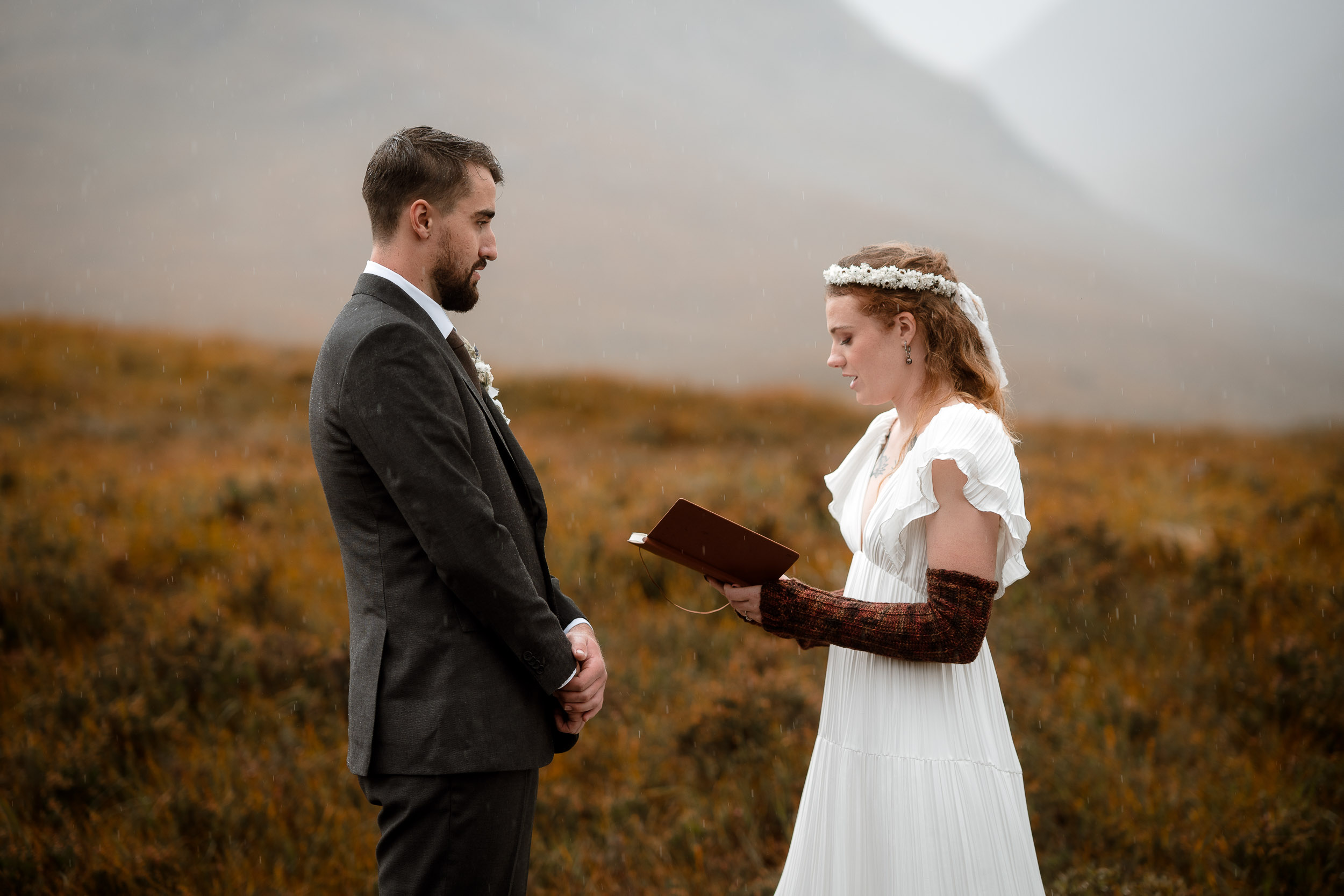
But here’s the thing. Your elopement photos will be pretty much the only record of the day. There won’t be 50 guests snapping iPhone photos. There won’t be Auntie Margaret’s footage of the speeches. It’ll be you, your partner, maybe a witness or two, and whatever your photographer captures. That’s it. So finding the right photographer matters enormously. And finding them? That’s where everything falls apart.
What Even Is an Elopement Anymore?
Let’s clear something up first. The word “elopement” used to mean running away to get married in secret, usually to avoid disapproving parents or societal judgment. A rushed Las Vegas chapel. A courthouse ceremony nobody knew about. That’s not what we’re talking about here.
Modern elopements are intentional. They’re planned. They’re often more thoughtfully designed than traditional weddings because every single element is a choice, not an obligation. You’re not inviting your parents’ colleagues or your partner’s childhood friends who you’ve never met. You’re not booking a venue that seats 200 because that’s what weddings look like. You’re choosing a location that means something to you, inviting only the people (if any) who you genuinely want there, and creating a day that’s actually about your relationship.
Some couples elope with just the two of them and a photographer. Some bring their parents or best friends. Some have 20 guests at a destination they love. The common thread isn’t the guest count; it’s the intention. You’re prioritising the experience of getting married over the performance of a wedding.
There’s significant overlap between elopements and destination weddings. Both involve travelling somewhere meaningful. Both prioritise experience over tradition. The main difference is scale: destination weddings typically involve guests travelling to join you, while elopements are usually just the couple. Many couples now blend the two, eloping somewhere stunning and then hosting a celebration party back home later. Best of both worlds.
The Google Problem
So you’ve decided to elope. You’ve picked a location, maybe Scotland, maybe the Pacific Northwest, maybe Big Sur. Now you need a photographer. How hard can it be?
You open Google. You type “elopement photographer Scotland” or “Big Sur elopement photographer.” You get a wall of results. Page after page of websites. You click on the first one.
The homepage loads. There’s a big hero image, some text about their “approach,” maybe an awards badge. You scroll down. You see some photos. They’re fine. But something doesn’t quite click. You’re not in love with the style. You hit the back button.
You click on the second result. Same process. Scroll through, look at the work, decide it’s not quite right, hit back.
Third result. Fourth. Fifth. By now you’ve got 15 tabs open and you’ve been at this for an hour. You’re exhausted and you haven’t even started comparing anyone properly. You’ve just been clicking and scrolling and backing out, over and over.
Here’s the thing nobody tells you: those search results aren’t sorted by quality. They’re sorted by marketing investment. The photographers appearing on page one have spent time and money on SEO. They’ve optimised their keywords, built backlinks, maybe hired someone to handle their Google strategy. That’s a completely different skill set from photography. Some of them are genuinely excellent photographers who also happen to be good at marketing. But plenty of talented photographers who focus on their craft rather than their Google rankings? They’re buried on page four. You’ll never find them.
The Google search rewards visibility, not ability. And it’s an exhausting way to find someone whose work you actually love.
The Instagram Problem
Maybe social media will be better. Instagram is visual, right? That should help.
You open Instagram. You search “scotland elopement” or “pacific northwest elopement” or whatever location you’ve chosen. The results load.
And they’re chaos.
You see posts from brides sharing their elopement photos. You see celebrants promoting their services. You see videographers. Bagpipers. Florists. Hair and makeup artists. Venues. Hotels. Tourism boards. And somewhere in there, actual photographers.
But you can’t tell who is who. The posts are all mixed together. A stunning mountain photo might be from a photographer, or it might be a tourist who happened to catch a nice sunset. A beautiful ceremony shot might be a photographer’s work, or it might be a celebrant sharing a client’s image. You can’t filter by “actual photographers who are available to book.” You can’t tell where anyone is based. You can’t tell if they cover your specific location or if they just visited once.
So you start clicking through to profiles. This one’s a florist. This one’s a bride. This one’s a photographer but they’re based in California and only shoot locally. This one’s a photographer who does travel, but their style is completely wrong for what you want.
Another hour gone. You’re scrolling through a feed of mixed content with no way to filter for what you actually need. The Instagram algorithm isn’t showing you the best photographers. It’s showing you the accounts with the highest engagement, which often means the ones posting most frequently rather than the ones taking the best photos.
The Real Problem
Both approaches share the same fundamental flaw: they reward marketing skills, not photography skills.
The photographers who win at Google are the ones who’ve mastered SEO. The photographers who win at Instagram are the ones who’ve mastered the algorithm. Neither of those things has any connection to whether they’ll create beautiful images of your elopement.
Meanwhile, there are incredible photographers out there who spend their time actually photographing weddings and elopements instead of optimising their online presence. They’re not on page one of Google. They’re not gaming the Instagram algorithm. They’re just quietly doing excellent work for couples who were lucky enough to find them through word of mouth.
How do you find those photographers? Until now, you really couldn’t. You had to either get lucky with a recommendation or resign yourself to the click-scroll-back-repeat loop until you stumbled across someone whose work you connected with.
How Phindr Actually Solves This
Phindr was built specifically to fix this problem. Not just for elopements, but for all wedding photography. Here’s how it works differently:
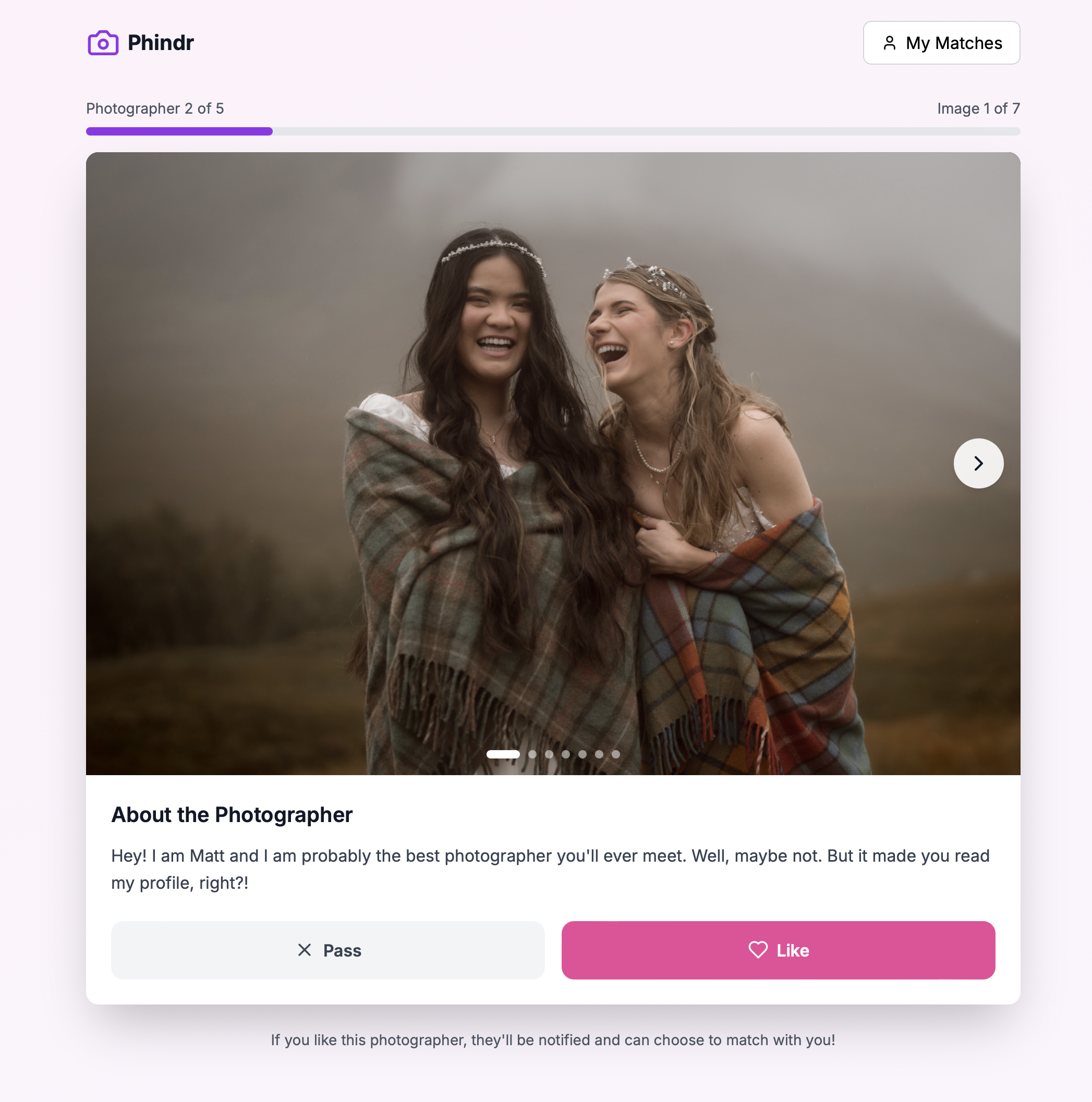
You only see photographers who cover your location. When photographers join Phindr, they select the specific areas they work in. Not just “Scotland” but the actual regions they cover. If you’re eloping on the Isle of Skye, you only see photographers who’ve said they shoot on Skye. No wading through hundreds of results from photographers who’ve never been there. No clicking through to discover someone only works locally in a completely different country.
Portfolios are completely anonymous. When you browse photographers on Phindr, you don’t see their business name. You don’t see their branding. You don’t see their awards or their client testimonials or their “about me” story. You just see their photos. A curated portfolio of their best work. That’s it. You swipe through like a dating app, yes or no, based purely on whether you love what you see. No SEO advantage. No marketing polish. Just the work.
This matters more than you might think. When you see a photographer’s brand first, it influences how you perceive their photos. A slick website makes average work look more professional. A clunky website makes excellent work look amateur. By removing all of that, Phindr forces you to judge on the only thing that actually matters: do you love these images?
Matching is mutual and informed. When you “like” a photographer’s portfolio on Phindr, you’re not sending a blind enquiry. The photographer sees your details: where you’re eloping, when, what your budget is. If your elopement fits what they do, they accept and you match. If they’re not available, or your location isn’t somewhere they cover, or your budget doesn’t align with their pricing, they pass. You only connect with photographers who are genuinely available and interested in your specific elopement.
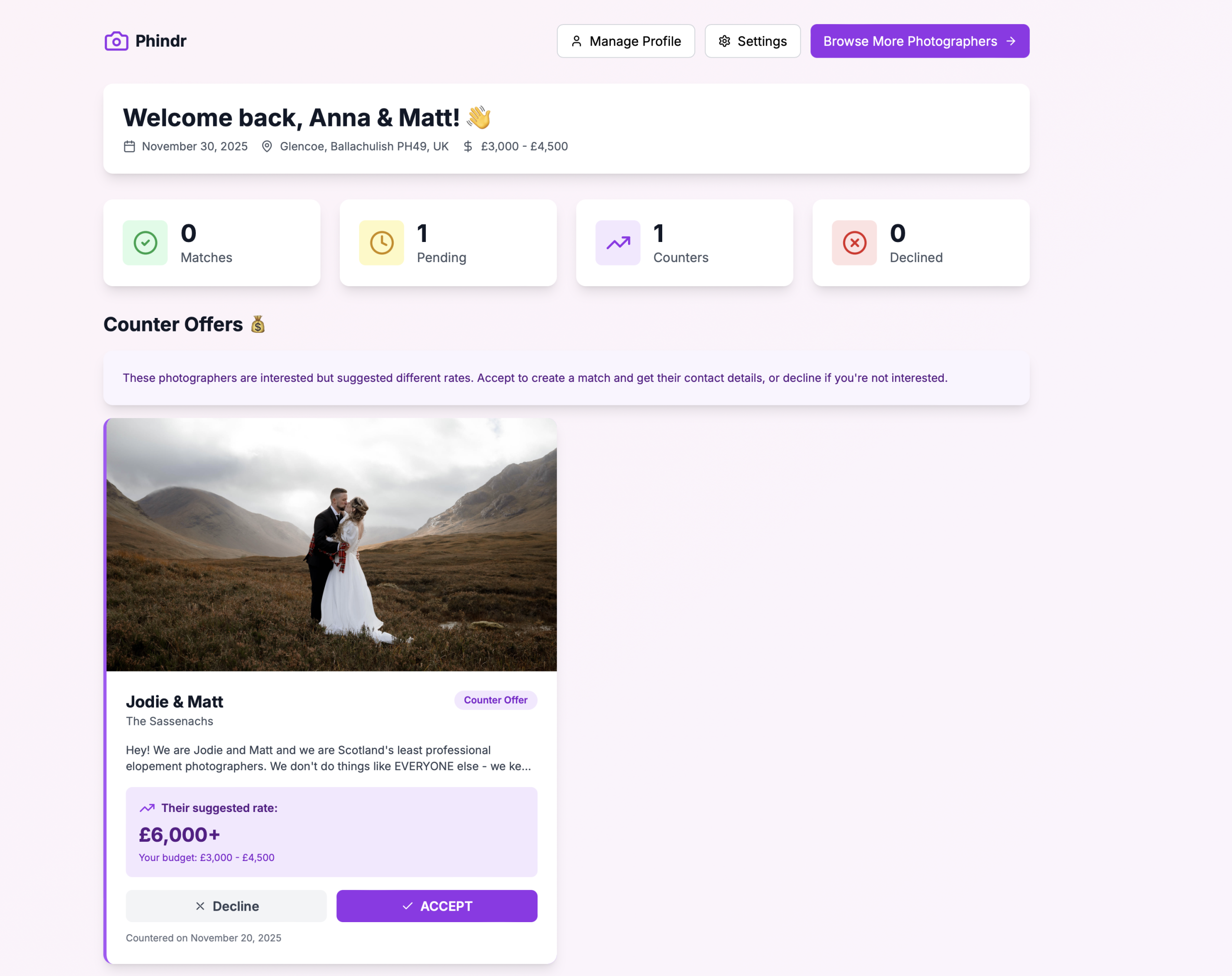
No more filling out enquiry forms and waiting days to hear back. No more discovering after three email exchanges that a photographer doesn’t actually travel to your location. No more awkward conversations about budget where you’re both wasting time because you’re not aligned.
Once you match, you connect directly. No middlemen. No platform fees on either side. No awkward lead-generation mechanics. You’ve found a photographer whose work you love, who wants to shoot your elopement. Now you just talk to each other like normal humans and figure out the details.
Browse Elopement Photographers on Phindr →
What to Look For in an Elopement Photographer
Finding photographers through Phindr is step one. But you still need to know what makes a good elopement photographer specifically, because it’s different from traditional wedding photography.
They need to handle adventure and logistics. Elopement photography often involves hiking, unpredictable weather, remote locations with no backup options, and long days covering everything from getting ready to the ceremony to portraits in multiple locations. A photographer who usually shoots in hotel ballrooms might struggle when you’re asking them to hike to a mountain viewpoint at sunrise. Look for evidence that they’ve done this before.
They should tell stories, not just pose shots. The best elopement photographers document the day as it unfolds. They capture the nervous laughter before the ceremony, the way your partner looked at you during the vows, the quiet moment afterwards when it all sank in. They’re not just directing you into positions for pretty pictures; they’re creating a narrative of your day. Look at their galleries. Do they feel like stories or like photoshoots?
Local knowledge is incredibly valuable. A photographer who knows your location intimately will know where the light falls at golden hour, which spots get crowded with tourists and when, where to find privacy, what the backup options are if weather changes. They’ll know the tide times if you’re on a beach. They’ll know which hiking trails are actually accessible in wedding attire. That knowledge is worth a lot.
Style consistency matters. Look at multiple galleries from any photographer you’re considering, not just highlights. Highlights are curated to show their absolute best work. Full galleries reveal consistency. Make sure you love their editing approach because that’s how your photos will look forever. Bright and airy? Moody and dramatic? True-to-life colours? Heavy film emulation? You need to actually like the aesthetic, not just tolerate it.
Elopement or Traditional Wedding?
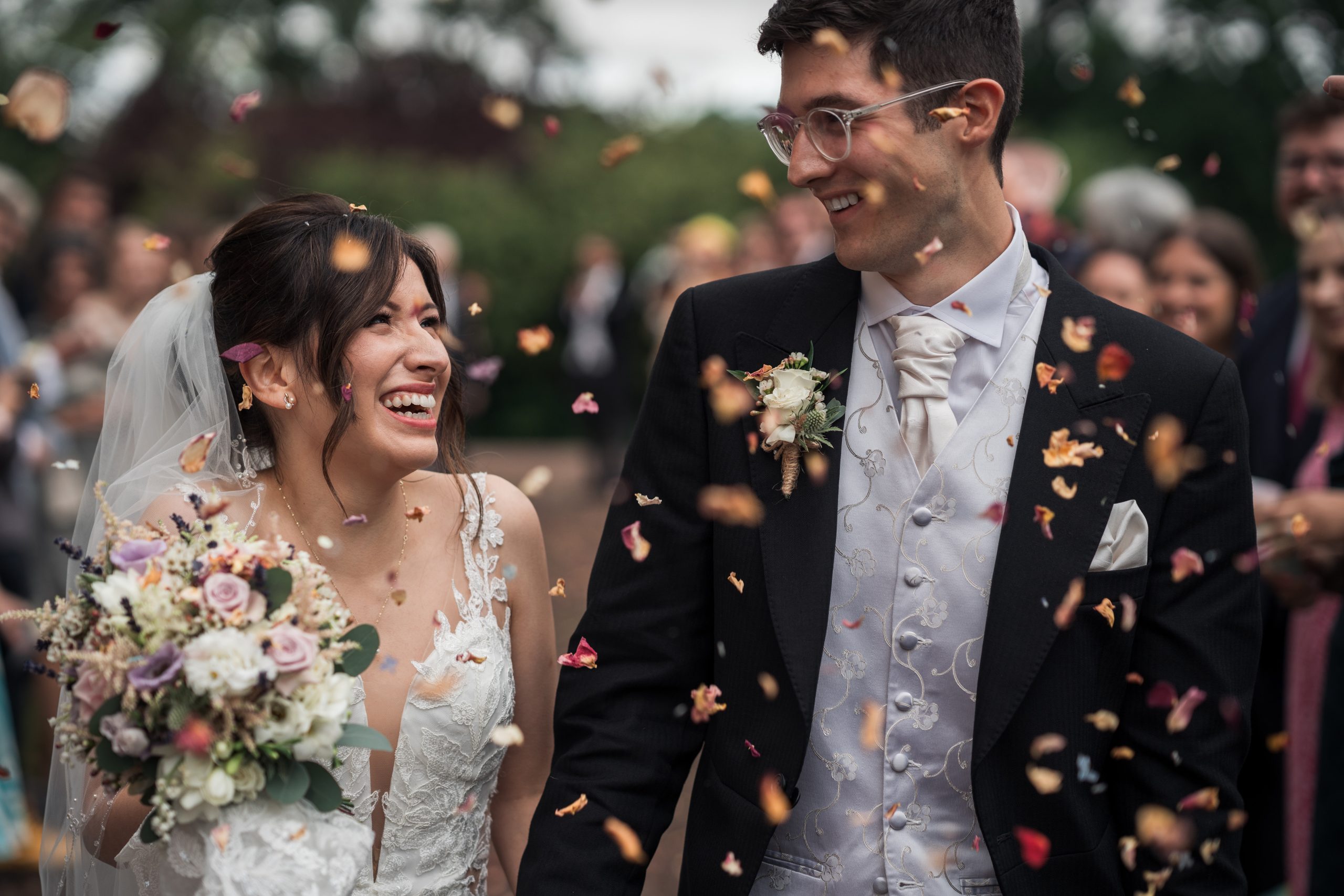
One thing worth saying: elopements aren’t better than traditional weddings. They’re just different. Some couples want the big celebration with everyone they love in one room. Some couples want the intimacy of just the two of them in a meaningful location. Some want both at different times. There’s no wrong answer here. The right wedding is the one that feels right to you.
Phindr works for both. Whether you’re planning an elopement for two in the Scottish Highlands or a 200-person wedding in a country house, the core problem is the same: finding a photographer whose work you genuinely love, without getting lost in the marketing noise. We’re here to solve that.
Ready to Start Looking?
Your elopement photos will be the main thing you have to remember the day by. There won’t be a videographer, probably. There won’t be dozens of guest photos. Just the images your photographer creates. They’re worth taking seriously.
Stop clicking through Google results. Stop scrolling through Instagram chaos. Start with the work.